
India: The Consumer Market the World Keeps Misreading
Rama Bijapurkar on Lilliput Land and India's many consumer markets
1h 42mSeason 3
Guest: Rama Bijapurkar
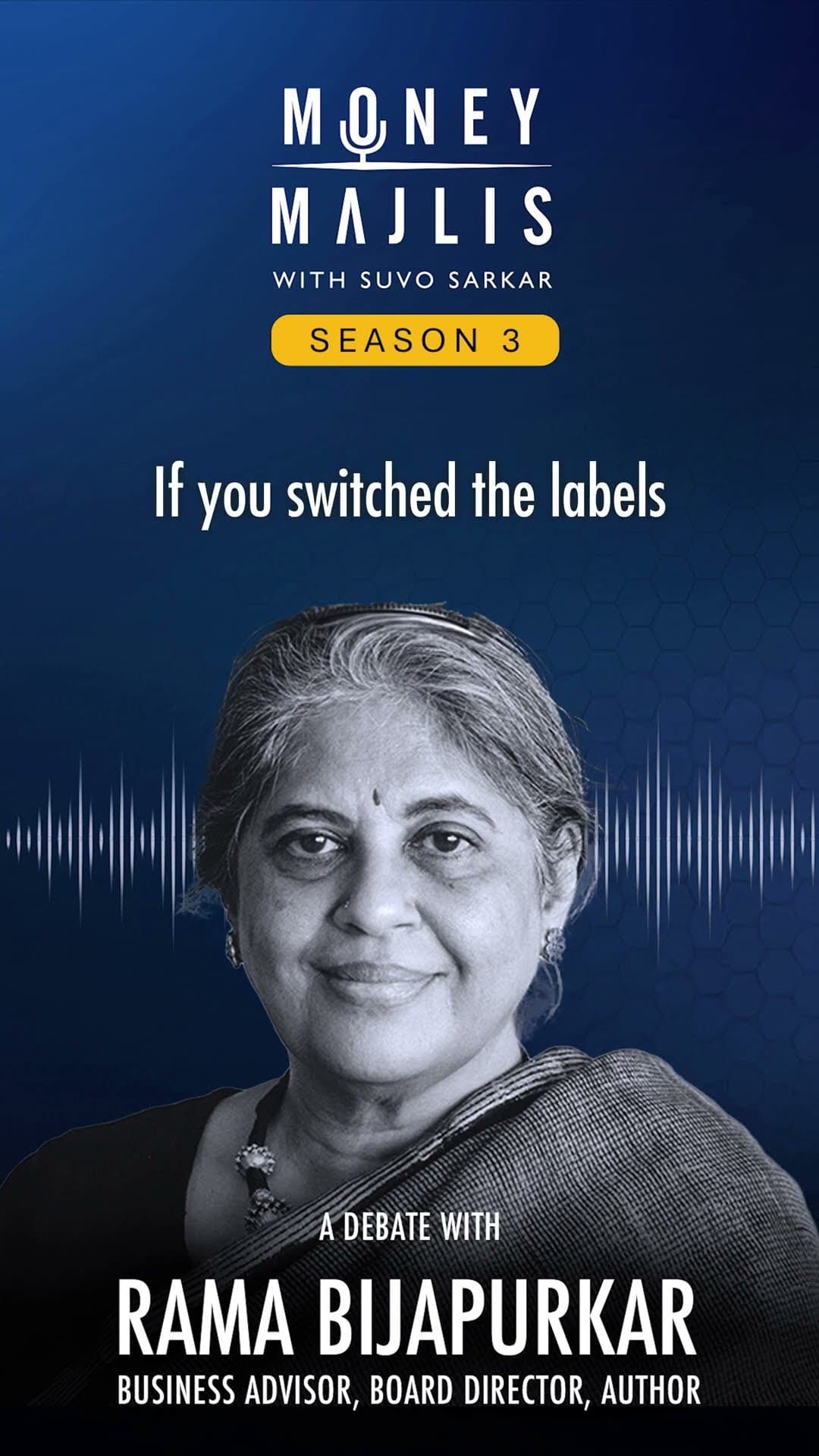
Guest bio
- Strategy consultant, board director and author, and one of India's leading thinkers on consumer behaviour.
- Board roles have included Apollo Hospitals, Cummins India, Sun Pharma, Infosys and Axis Bank; began her career at McKinsey, MARG and Mode Services.
- Author of We Are Like That Only, Customer in the Boardroom, A Never-Before World and Lilliput Land.
Rama Bijapurkar is one of India's most respected thinkers on consumer behaviour and business-market strategy, and one of its most experienced independent directors. After a BSc in Physics from Delhi University and a postgraduate diploma in management from IIM Ahmedabad, she worked with McKinsey & Company, MARG (now Nielsen India) and Mode Services (now TNS India), before building her own strategy consulting practice over four decades. Her board roles have included Apollo Hospitals, Cummins India, Sun Pharmaceutical Industries, Infosys, Axis Bank and CRISIL, and she has long taught as visiting faculty at IIM Ahmedabad. Her books include We Are Like That Only, Customer in the Boardroom, A Never-Before World and, most recently, Lilliput Land: How Small is Driving India's Mega Consumption Story.
Show notes
India is often described in sweeping, seductive shorthand: a billion-plus consumers, a vast middle class, digital leapfrogging and an inevitable march towards premiumisation. But as Rama Bijapurkar argues in this episode of Money Majlis, that picture is not merely incomplete; it can lead businesses, banks and investors towards profoundly wrong decisions.
Rama, one of India’s most influential thinkers on consumer behaviour and strategy, joins Suvo to unpack the central idea of her latest book, Lilliput Land: India’s mega-consumption story is built not on one uniform market, but on millions of small consumers and suppliers, each making modest but consequential choices, increasingly connected through powerful digital rails. The lesson is simple but demanding: there is no single “Indian consumer”. There are many Indias, many income realities, many ambitions and many versions of value.
The conversation moves beyond familiar clichés about India’s middle class, rural markets and digital payments. Rama explains why companies must learn to see the country at a far more granular level: the affluent customer in a small town, the aspirational household that must choose between a new refrigerator and a family holiday, the woman whose income may not translate into financial autonomy, and the small merchant whose QR code has made participation in the digital economy possible.
For bankers and fintech leaders, this is an especially rich conversation. Rama explores the economics of serving customers with small balances, small transactions and limited financial resilience; the role of public-sector banks, NBFCs and fintechs in financial inclusion; and the tension between instant digital credit and responsible lending. She also discusses why trust still matters in banking, why a beautiful app is not the same as a meaningful customer relationship, and why regulation can be an essential safeguard rather than merely a brake on innovation.
The episode also looks at artificial intelligence through a customer lens. Rama warns against mistaking dashboards for understanding, or using AI simply to fish more efficiently in an existing pond. The real task for boards and management teams, she argues, is to remain humble, observant and relentlessly focused on customer-perceived value. Technology may change the ritual, but it does not change the religion of customer-centricity.
This is a masterclass in looking beyond averages, questioning boardroom assumptions and recognising that demand often leads while supply lags. For anyone trying to build, invest, lend or lead in India, and in the emerging markets that increasingly resemble it, Rama Bijapurkar offers a sharper and more human way to see the opportunity.
Comments
Loading comments…